

Explore the waves in Mamanucas
7 Breaks.
Endless Possibilities.
We surf 7 main breaks around Tavarua Island, Namotu Island, plus hidden waves that come alive on bigger swells. All breaks are reef bottom and accessed by boat.
For the surf lesson, we go to the Natadola Beach where we access to the beach by a viechle.
Main Breaks
The Mamanuca Islands are home to world-class waves like Cloudbreak, known for consistent, high-quality reef breaks. The region offers everything from beginner-friendly waves to heavy barrels.
Type: Left-hand reef break
Tide: Works on all tides
Wind: S to SE
Swell: S to SW
Overview: A world-famous left-hand break located offshore of Tavarua Island. This open-ocean reef produces powerful, perfectly shaped waves. Wave size ranges from 2 to 20 ft, with typical days around 4–6 ft. Known for its long, barreling sections and extended rides, it’s a challenging wave that rewards surfers with truly unforgettable moments.
Type: Left-hand reef break
Tide: Works on all tides
Wind: S to SW
Swell: SW
Overview: Breaking over the reef in front of Tavarua Island’s restaurant, this wave is a smaller, more approachable alternative to Cloudbreak, typically ranging from 2–6 ft. It offers long, hollow rides with beautifully shaped walls. Often described as a “skatepark on water,” it’s a favourite among surfers for its perfect, playful form and consistency.
Type: Right-hand reef break
Tide: Mid to high tide
Wind: N to NE
Swell: SW
Overview: A right-hand break on the southwest side of Tavarua Island. When smaller, it’s fun and forgiving — suitable for longboards and even SUP. As the size increases, the wave gains more thickness and power, becoming more challenging. With relatively fewer crowds, it’s a versatile spot that can be enjoyed by a wide range of surfers.
Type: Left-hand reef break
Tide: Best on mid tide
Wind: SE to E
Swell: Works in all directions (S swells create point-like waves, W swells make it more peaky)
Overview: A left-hand break off Namotu Island. Softer and more forgiving than Cloudbreak, it’s ideal for beginner to intermediate surfers in the 2–6 ft range. When the swell picks up over 6 ft, it offers longer rides and even barrel sections. A great wave for progression and trying new maneuvers.
Type: Right-hand reef break
Tide: Low to mid tide
Wind: NW
Swell: SW
Overview: A crystal-clear blue right-hand break, known for its beauty and consistency. Even at smaller sizes, it’s fun and easy to ride — good for longboards and SUP. On bigger swells, the wave gains more shape and power, producing thicker, hollow sections. A reliable break that can be enjoyed by surfers of all levels, from beginners to advanced.
Type: Right-hand reef break
Tide: Mid to high tide
Wind: N to NW
Swell: Works in all directions
Overview: A powerful right-hand break on an outer reef off Namotu Island. As the swell builds, it becomes more challenging. Known for its speed and power, this wave offers long, driving rides and is a rewarding option for more experienced surfers.
Type: A-frame peak
Tide: Mid to high tide
Wind: NE
Swell: S to SW
Overview: A left and right breaking wave is located northwest of Wilkes Passage along the Malolo Barrier Reef. Even on smaller days, it’s almost always surfable, making it one of the most consistent options in the area. The wave offers fast, powerful, and hollow sections, and is popular with a wide range of surfers thanks to its reliability and versatility.
Playful inside wave, fun on smaller days and beginner-friendly conditions
Short, punchy sections depending on swell direction.
Inconsistent but fun when it turns on.
Soft, safe waves ideal for beginners and longboard sessions
Book Your Adventure Today!
+679 918 5522
Hidden & Mini Waves
When the swell increases, these smaller inside and boundary waves become active, offering more variety, less crowding, and fun alternative options across the reef.
Surf Seasons
What to Wear
Dry Season (April – October)
The main surf season in Fiji.
-
Most consistent South Pacific swells
-
Clean offshore winds
-
Best overall conditions for reef breaks
-
More frequent world-class surf day
Wet Season (November – March)
A quieter, warmer period with lots of rain.
-
Smaller and less consistent swell
-
Warmer water and air temperatures
-
Fewer crowds in the lineup
-
There are cheeky swell drops in.
Waves in Fiji have
Endless Possibilities.
We surf 7 main breaks around Tavarua Island, Namotu Island, plus hidden waves that come alive on bigger swells.
All breaks are reef bottom and accessed by boat.
For the surf lesson, we go to the Natadola Beach where we access to the beach by a viechle.
Main Breaks
The Mamanuca Islands are home to world-class waves like Cloudbreak, known for consistent, high-quality reef breaks. Open to powerful ocean swells, the region offers everything from beginner-friendly waves to heavy barrels. Peak season runs from April to October, with warm water year-round. Surrounded by Fiji’s vivid blue waters, it’s a truly unforgettable surf destination.
Type: Left-hand reef break
Tide: Works on all tides
Wind: S to SE
Swell: S to SW
Overview: A world-famous left-hand break located offshore of Tavarua Island. This open-ocean reef produces powerful, perfectly shaped waves. Wave size ranges from 2 to 20 ft, with typical days around 4–6 ft. Known for its long, barreling sections and extended rides, it’s a challenging wave that rewards surfers with truly unforgettable moments.
Type: Left-hand reef break
Tide: Works on all tides
Wind: S to SE
Swell: S to SW
Overview: A world-famous left-hand break located offshore of Tavarua Island. This open-ocean reef produces powerful, perfectly shaped waves. Wave size ranges from 2 to 20 ft, with typical days around 4–6 ft. Known for its long, barreling sections and extended rides, it’s a challenging wave that rewards surfers with truly unforgettable moments.
Type: Left-hand reef break
Tide: Works on all tides
Wind: S to SW
Swell: SW
Overview: Breaking over the reef in front of Tavarua Island’s restaurant, this wave is a smaller, more approachable alternative to Cloudbreak, typically ranging from 2–6 ft. It offers long, hollow rides with beautifully shaped walls. Often described as a “skatepark on water,” it’s a favourite among surfers for its perfect, playful form and consistency.
Type: Left-hand reef break
Tide: Works on all tides
Wind: S to SW
Swell: SW
Overview: Breaking over the reef in front of Tavarua Island’s restaurant, this wave is a smaller, more approachable alternative to Cloudbreak, typically ranging from 2–6 ft. It offers long, hollow rides with beautifully shaped walls. Often described as a “skatepark on water,” it’s a favourite among surfers for its perfect, playful form and consistency.
Type: Right-hand reef break
Tide: Mid to high tide
Wind: N to NE
Swell: SW
Overview: A right-hand break on the southwest side of Tavarua Island. When smaller, it’s fun and forgiving — suitable for longboards and even SUP. As the size increases, the wave gains more thickness and power, becoming more challenging. With relatively fewer crowds, it’s a versatile spot that can be enjoyed by a wide range of surfers.
Type: Right-hand reef break
Tide: Mid to high tide
Wind: N to NE
Swell: SW
Overview: A right-hand break on the southwest side of Tavarua Island. When smaller, it’s fun and forgiving — suitable for longboards and even SUP. As the size increases, the wave gains greater thickness and power, making it more challenging. With relatively fewer crowds, it’s a versatile spot that can be enjoyed by a wide range of surfers.
Type: Left-hand reef break
Tide: Best on mid tide
Wind: SE to E
Swell: Works in all directions (S swells create point-like waves, W swells make it more peaky)
Overview: A left-hand break off Namotu Island. Softer and more forgiving than Cloudbreak, it’s ideal for beginner to intermediate surfers in the 2–6 ft range. When the swell picks up over 6 ft, it offers longer rides and even barrel sections. A great wave for progression and trying new maneuvers.
Type: Left-hand reef break
Tide: Best on mid tide
Wind: SE to E
Swell: Works in all directions (S swells create point-like waves, W swells make it more peaky)
Overview: A left-hand break off Namotu Island. Softer and more forgiving than Cloudbreak, it’s ideal for beginner to intermediate surfers in the 2–6 ft range. When the swell picks up over 6 ft, it offers longer rides and even barrel sections. A great wave for progression and trying new maneuvers.
Type: Right-hand reef break
Tide: Low to mid tide
Wind: NW
Swell: SW
Overview: A crystal-clear blue right-hand break, known for its beauty and consistency. Even at smaller sizes, it’s fun and easy to ride — good for longboards and SUP. On bigger swells, the wave gains more shape and power, producing thicker, hollow sections. A reliable break that can be enjoyed by surfers of all levels, from beginners to advanced.
Type: Right-hand reef break
Tide: Low to mid tide
Wind: NW
Swell: SW
Overview: A crystal-clear blue right-hand break, known for its beauty and consistency. Even at smaller sizes, it’s fun and easy to ride — good for longboards and SUP. On bigger swells, the wave gains more shape and power, producing thicker, hollow sections. A reliable break that can be enjoyed by surfers of all levels, from beginners to advanced.
Type: Right-hand reef break
Tide: Mid to high tide
Wind: N to NW
Swell: Works in all directions
Overview: A powerful right-hand break on an outer reef off Namotu Island. As the swell builds, it becomes more challenging. Known for its speed and power, this wave offers long, driving rides and is a rewarding option for more experienced surfers.
Type: Right-hand reef break
Tide: Mid to high tide
Wind: N to NW
Swell: Works in all directions
Overview: A powerful right-hand break on an outer reef off Namotu Island. As the swell builds, it becomes more challenging. Known for its speed and power, this wave offers long, driving rides and is a rewarding option for more experienced surfers.
Type: A-frame peak
Tide: Mid to high tide
Wind: NE
Swell: S to SW
Overview: A left and right breaking wave is located northwest of Wilkes Passage along the Malolo Barrier Reef. Even on smaller days, it’s almost always surfable, making it one of the most consistent options in the area. The wave offers fast, powerful, and hollow sections, and is popular with a wide range of surfers thanks to its reliability and versatility.
Type: A-frame peak
Tide: Mid to high tide
Wind: NE
Swell: S to SW
Overview: A left and right breaking wave is located northwest of Wilkes Passage along the Malolo Barrier Reef. Even on smaller days, it’s almost always surfable, making it one of the most consistent options in the area. The wave offers fast, powerful, and hollow sections, and is popular with a wide range of surfers thanks to its reliability and versatility.
Hidden & Mini Breaks
When the swell increases, these smaller inside and boundary waves become active, offering more variety, less crowding, and fun alternative options across the reef.
playful inside wave, fun on smaller days and beginner-friendly conditions
Playful inside wave, fun on smaller days and beginner-friendly conditions.
short, punchy sections depending on swell direction.
Short, punchy sections depending on swell direction.
Inconsistent but fun when it turns on.
Inconsistent but fun when it turns on.
Soft, safe waves ideal for beginners and longboard sessions
Soft, safe waves ideal for beginners and longboard sessions
What to Expect in Fiji
Surf Seasons
Dry Season (April – October)
The main surf season in Fiji.
-
Most consistent South Pacific swells
-
Clean offshore winds
-
Best overall conditions for reef breaks
-
More frequent world-class surf day
Wet Season (November – March)
A quieter, warmer period with lots of rain.
-
Smaller and less consistent swell
-
Warmer water and air temperatures
-
Fewer crowds in the lineup
-
There are cheeky swell drops in.
Weather, Climate & Water Tempereture
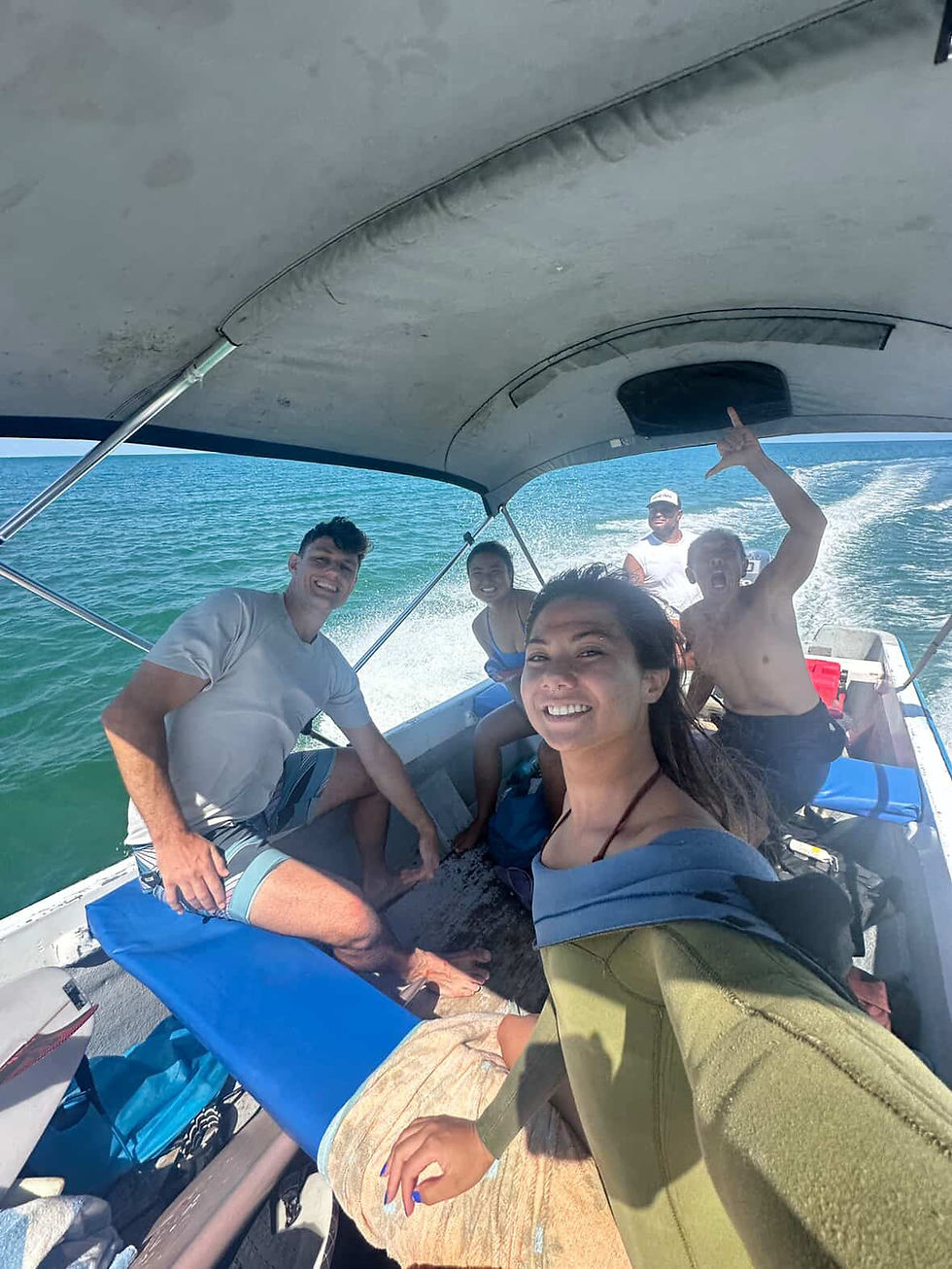
Fiji has a tropical climate with warm temperatures all year round. Expect a mix of sunshine, clouds, and occasional passing tropical showers, especially in the afternoons. Water is warm year-round and typically 26–29°C (79–84°F). No wetsuit needed for most surfers
When the swell increases, these smaller inside and boundary waves become active, offering more variety,
less crowding, and fun alternative options across the reef.
